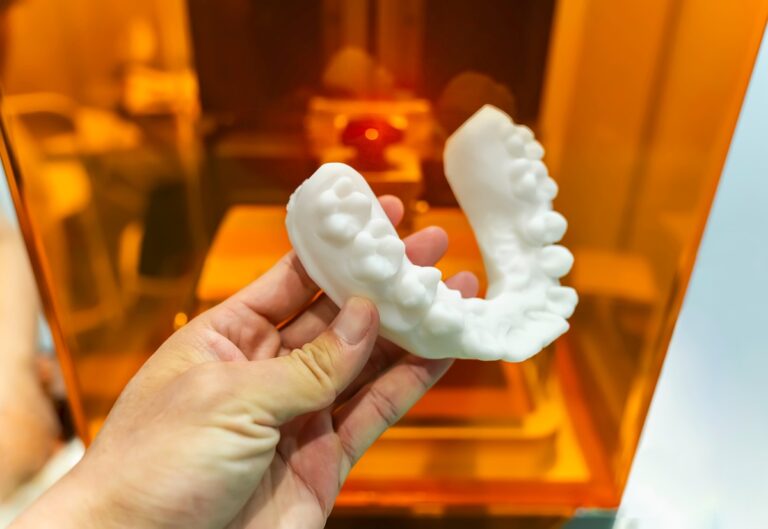
For many Austrian small and medium-sized enterprises (SMEs) in the 3D printing sector, the medical device industry holds enormous future potential. At the same time, 3D printing opens up new opportunities for medical device manufacturers. 3D-printed, patient-specific medical devices such as dental splints, implants, prostheses, and many others are in high demand and offer enormous growth opportunities for the industry. However, the high demands on safety assessment and strict regulatory requirements present an almost insurmountable hurdle for individual SMEs. This is because existing concepts for the safety assessment of plastic medical devices are not yet designed to address the specific challenges in the 3D printing sector. In particular, the layered structure and the custom manufacturing of individual products require new strategies regarding safety assessment. This is where the C-3PO (Customized 3D-Printed Medical Products with Optimized Safety) project comes into play. The research project, led by OFI, is developing new methods for assessing biocompatibility, porosity, and their impact on cleaning and sterilization efficiency for additively manufactured medical devices.
The insights gained in the project regarding materials and validated “ready-to-use” methods offer SMEs decisive advantages in product development and approval. Necessary, relevant criteria can be taken into account from the outset, thereby aiding material selection and the optimization of printing processes. This will significantly shorten the development process for new products for SMEs and reduce costs.
Funding: ACR Strategic Projects
Projekt consortium:
Lead: OFI
Scientific partners: KMU Forschung Austria, ZFE